Energy supply · Model TP · size TP50
Finally reliable in operation — despite difficult suction conditions and abrasive gypsum slurry
A scrubber running around the clock, a highly abrasive slurry and a reactor held under vacuum: a duty that defeated several pump designs over the years.
Customer
Energy utility, Germany
Range used
Model TP · size TP50
3–5×
overhauls per year with the previous pumps
0
unplanned shutdowns since commissioning
up to 25%
solids content in the medium
Technical data
- Industry
- Energy supply
- Plant
- Exhaust air scrubber
- Process step
- Conveying gypsum slurry
- Medium
- Gypsum slurry, alkaline
- Solids content
- up to 25%
- Density
- 1.3 kg/dm³
- Operating mode
- Continuous, 24/7
- Materials
- Housing PP, diaphragm PE
- Implemented
- 2026
Starting point
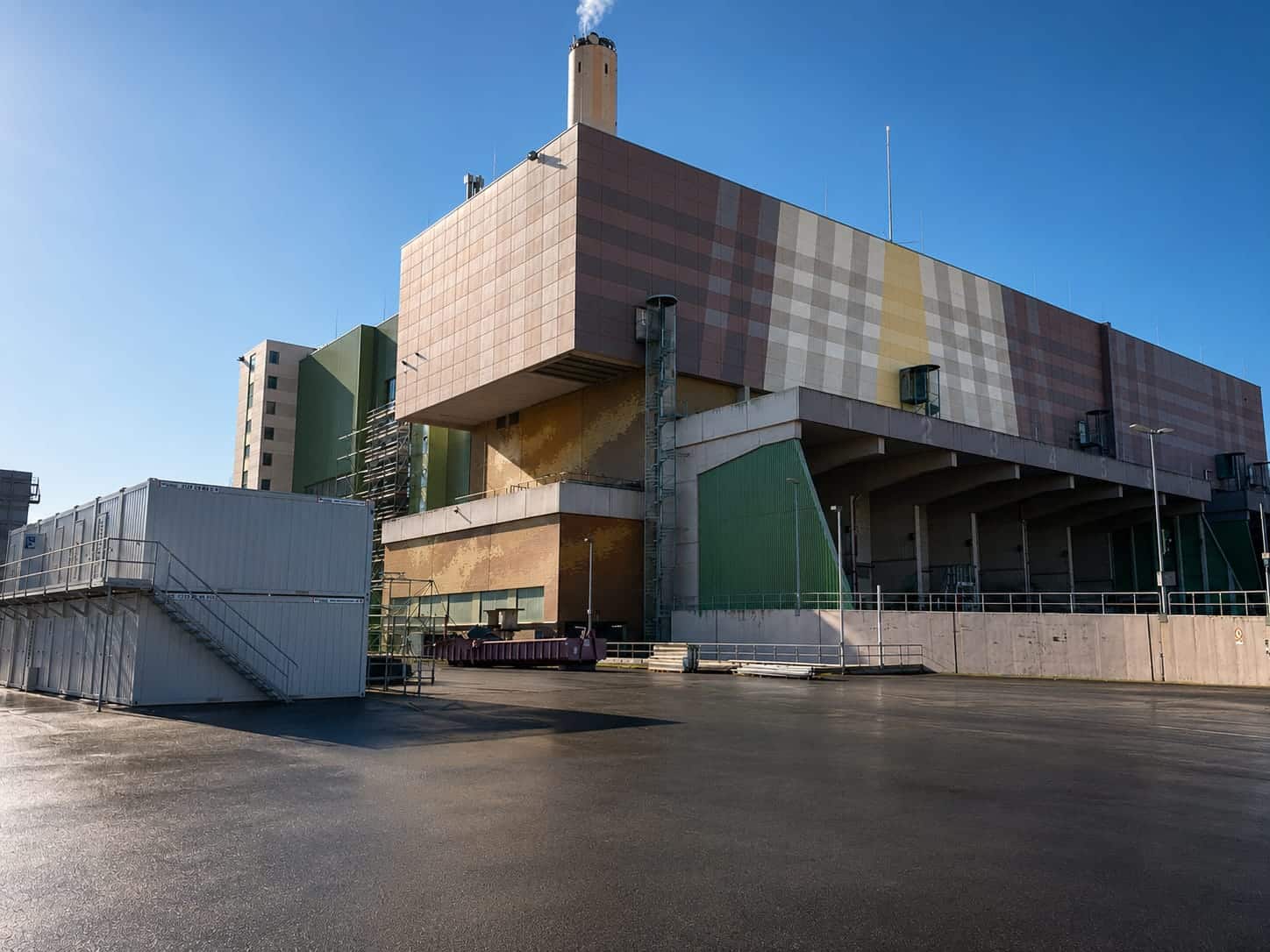
An energy utility conveys gypsum slurry out of the reactor of an exhaust air scrubber. The reactor is held under vacuum, so the pump has to work against difficult suction conditions — around the clock.
The slurry contains up to 25 per cent solids and is both highly abrasive and alkaline. Over the years this combination pushed the centrifugal pumps in use to their limits: heavy wear on housing components and, above all, on the mechanical seals. Converting to double mechanical seals and trying various flushing concepts improved service life slightly but did not solve the problem.
On top of that came recurring disruptions from blockages, hardening medium and dry running of the mechanical seal. The pump had to be overhauled three to five times a year, and barrier water was consumed continuously alongside.
Peristaltic pumps were tried as an alternative. They removed some of the problems but introduced new ones: the hose wore out quickly and the gearbox failed completely on several occasions. Unplanned downtime and maintenance costs remained.
Solution
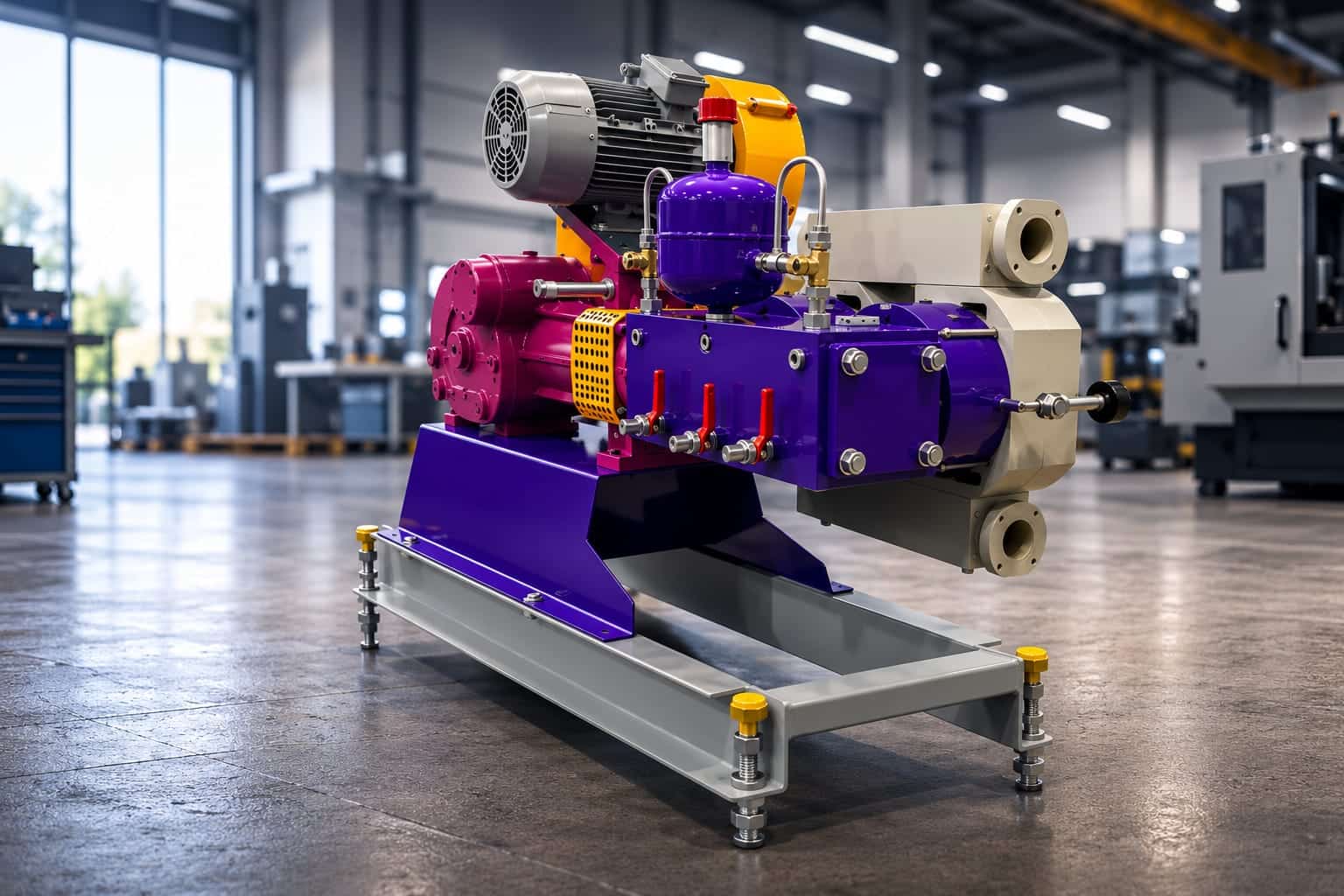
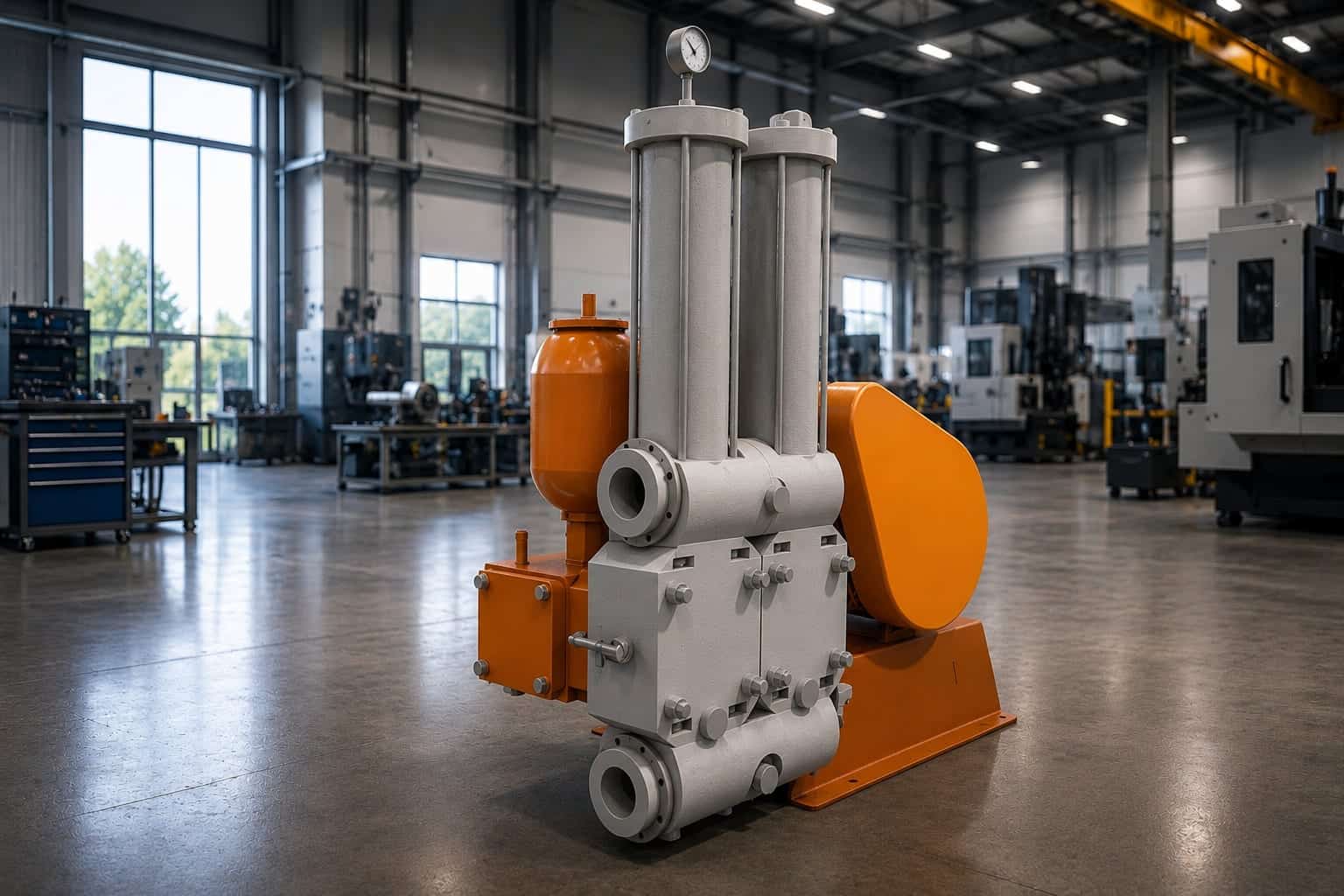
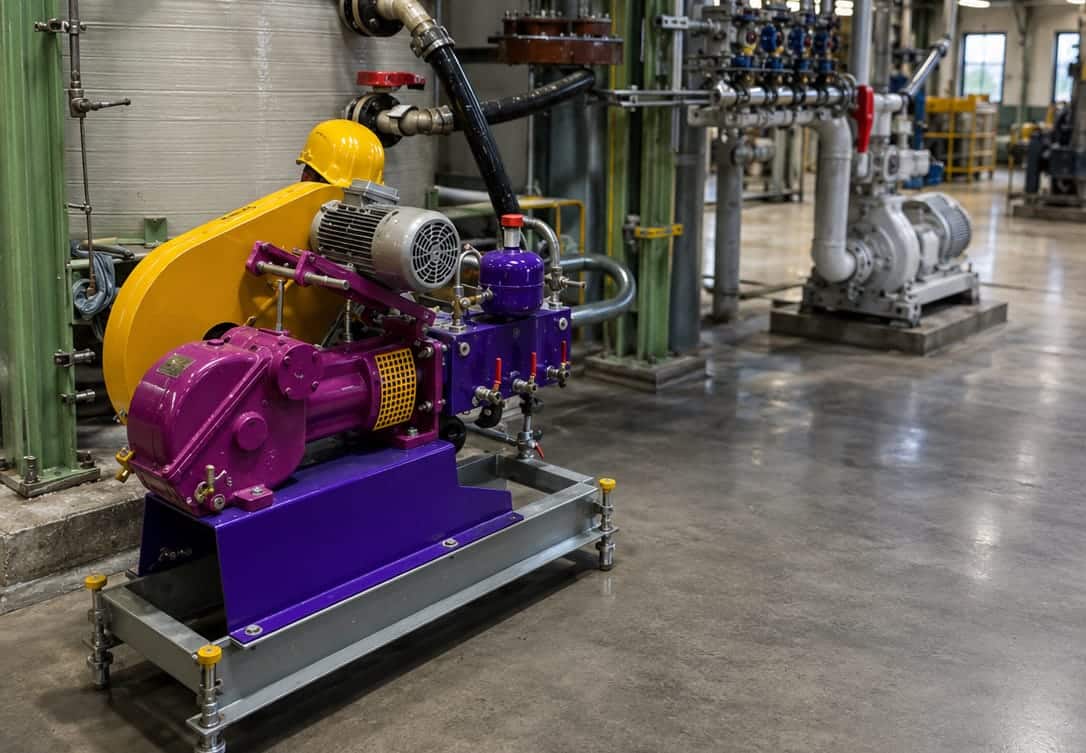
A Model TP in size TP50 has been in operation since — a hydraulically operated double diaphragm pump. The wetted parts are made of polypropylene, the diaphragms of polyethylene.
The decisive design difference: no rotating component moves inside the medium. That removes the mechanical seal — and with it the weak point at which the previous pumps kept failing. Barrier water is no longer required.
The second recurring problem is handled by the design as well: a blocked or accidentally closed suction line does not throw the diaphragm system out of balance. The pump takes no damage in that condition instead of paying for it with an overhaul, as before.
HODD supported commissioning on site, including training for the maintenance staff.
Result
Since commissioning the plant has run without a single unplanned shutdown. Failures caused by seal wear, dry running or blockage have not recurred. No wear parts have needed replacing so far — service life therefore already exceeds that of every solution used previously.
The operator also highlights the maintenance concept: the work that does arise can be carried out by their own maintenance staff. That shortens downtime and makes operation independent of the manufacturer's service.
For context: the changeover took place in 2026. The statements on service life refer to the period since commissioning, not to several years of operation.
From the project
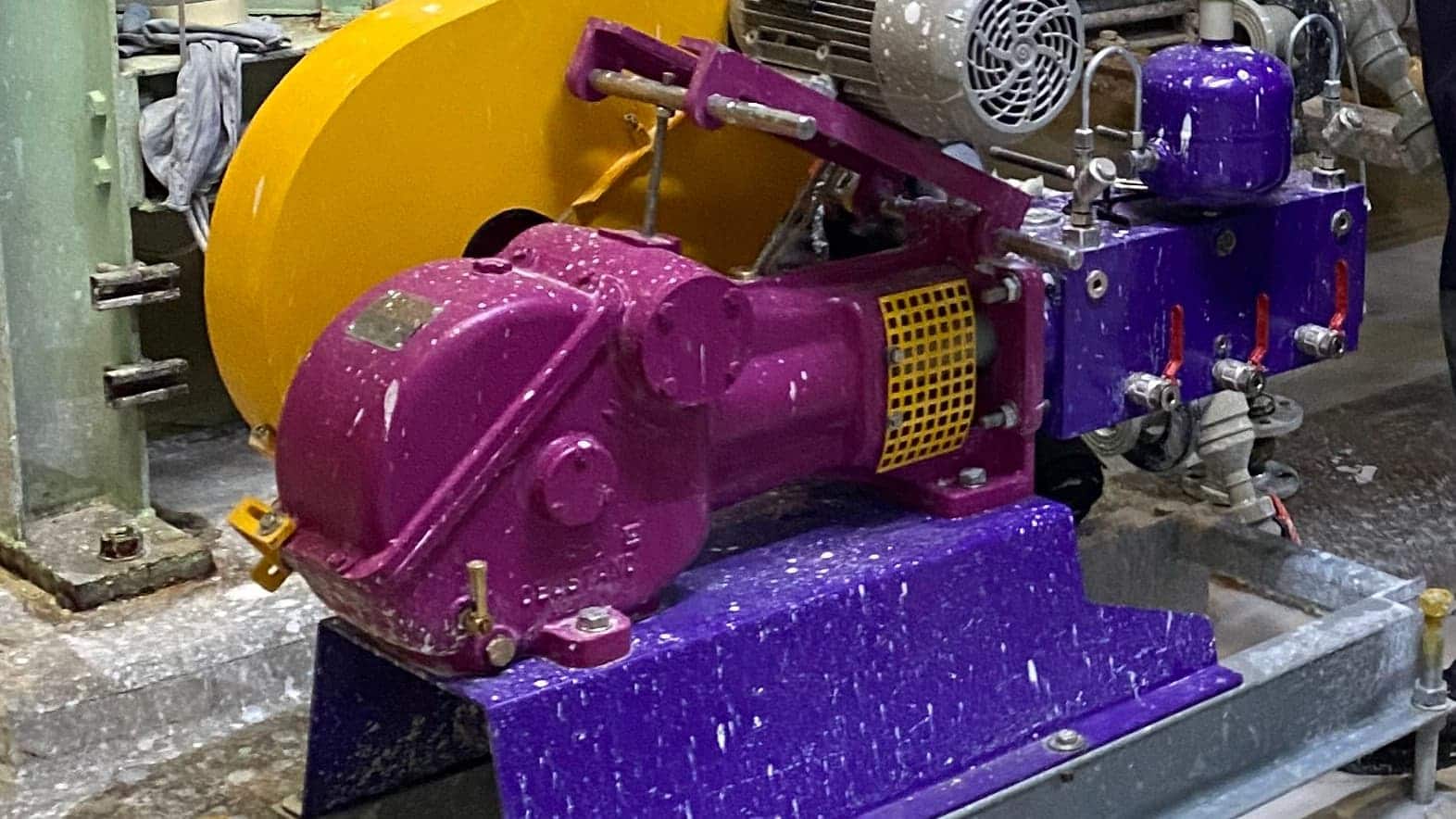
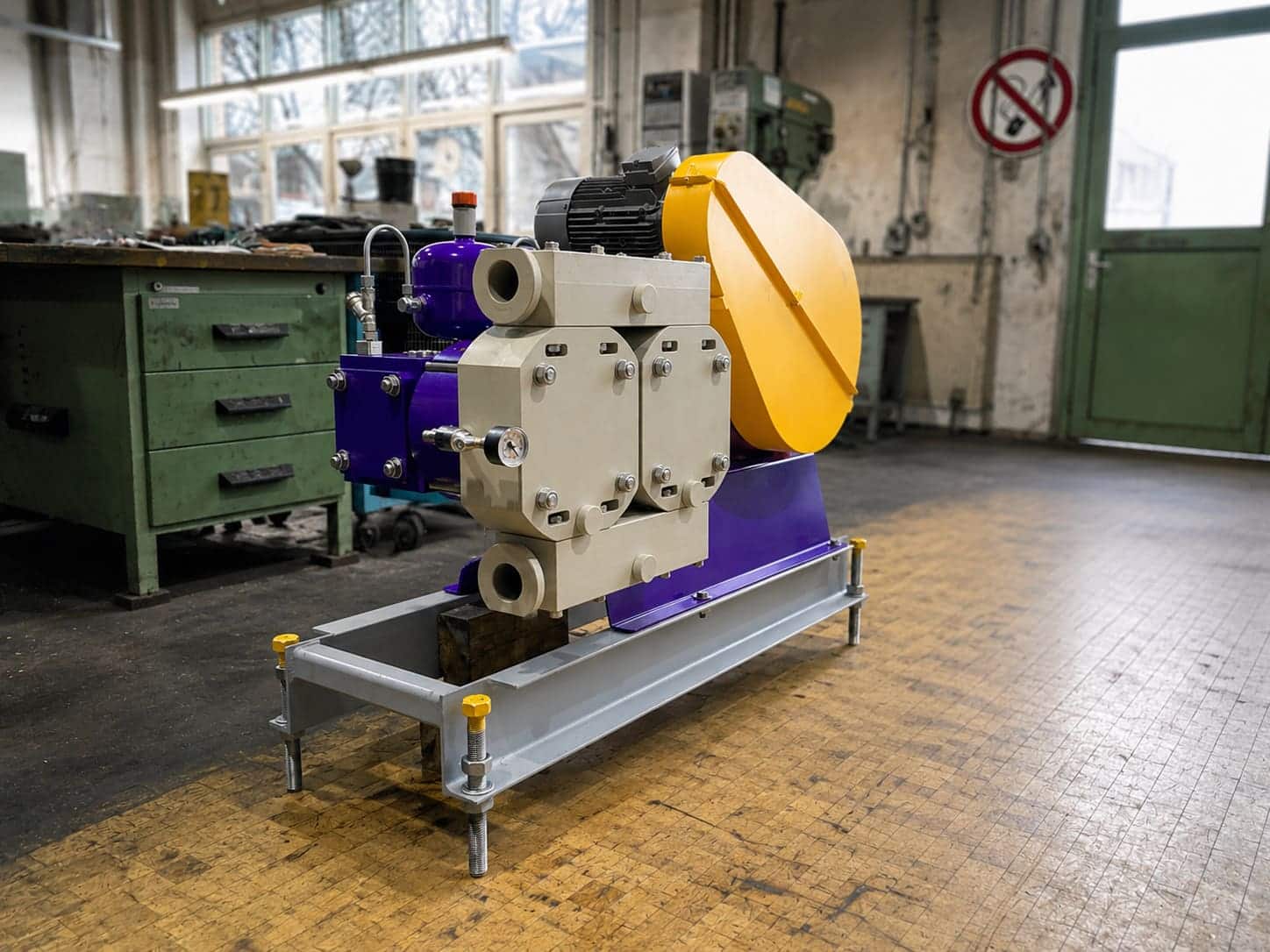
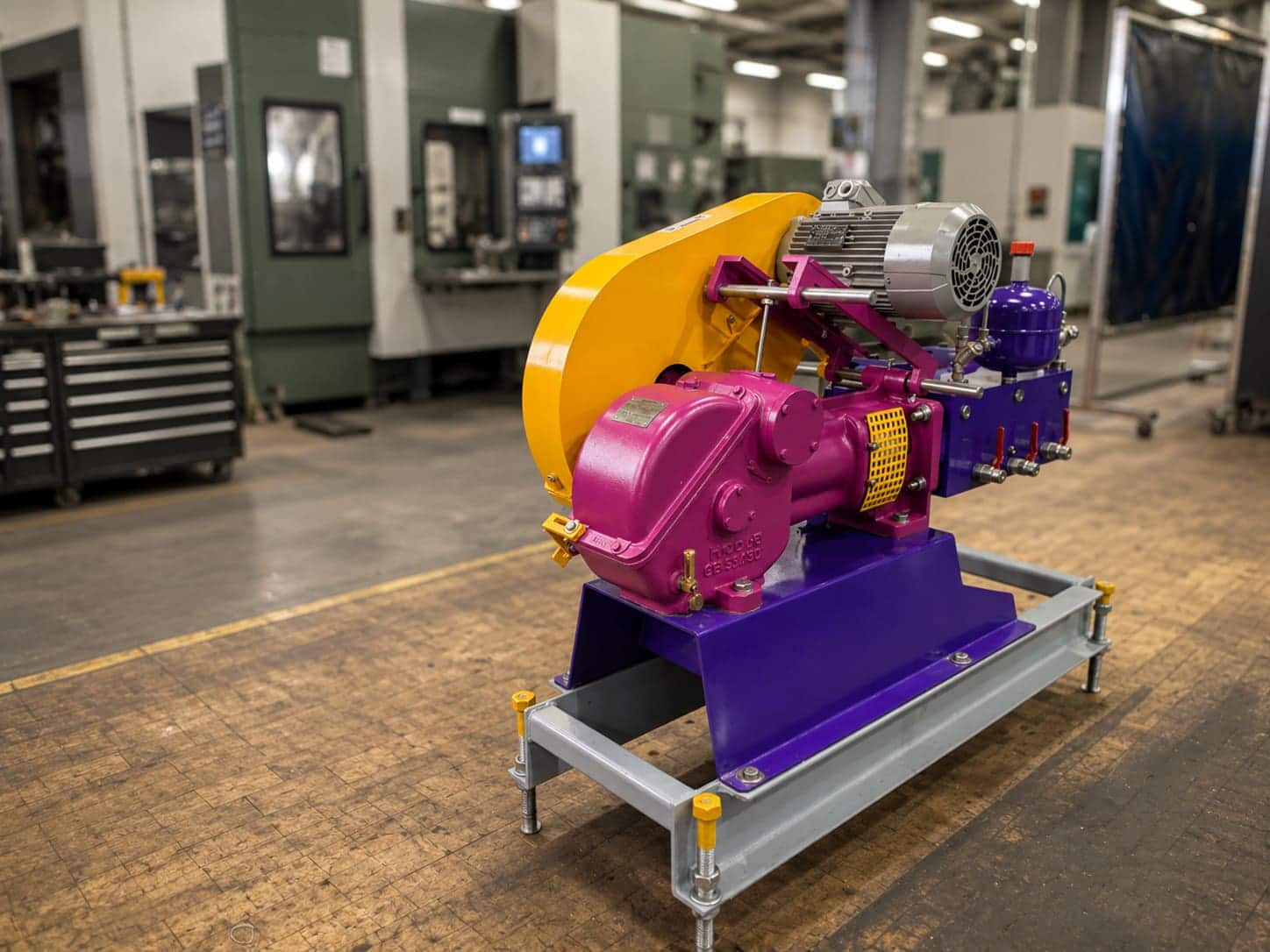
From the field
Success Stories
Contact
We are happy to advise you personally — simply send us your enquiry via the form. For reliable sizing it helps us to have details on the medium, solids content, flow rate and pressure requirement.