Electroplating · Model FP
Replaced although nothing was broken
The existing pump was working. The operator replaced it anyway — because a cast iron pump remains a foreign body in a plant that is otherwise built entirely from plastic.
Customer
Electroplating plant, automotive supply, Germany
Range used
Model FP
5.5 → 3 kW
installed drive rating
0
precautionary component replacements
PP
housing material instead of cast iron
Technical data
- Industry
- Electroplating, automotive supply
- Plant
- Chamber filter press
- Process step
- Filter press feed
- Medium
- Electroplating sludge, occasionally hydrochloric acid
- pH value
- acidic to neutral
- Temperature
- 30 °C
- Operating mode
- Shift operation
- Materials
- Housing PP, diaphragm PE
- Drive rating
- 3 kW instead of 5.5 kW
- Previously in use
- Cast iron process pump
- Implemented
- 2026
Starting point
This report starts differently from the others: there was no damage, no failure and no bottleneck. The pump in place did what it was supposed to do. The operator replaced it because he considered the plastic solution the better one.
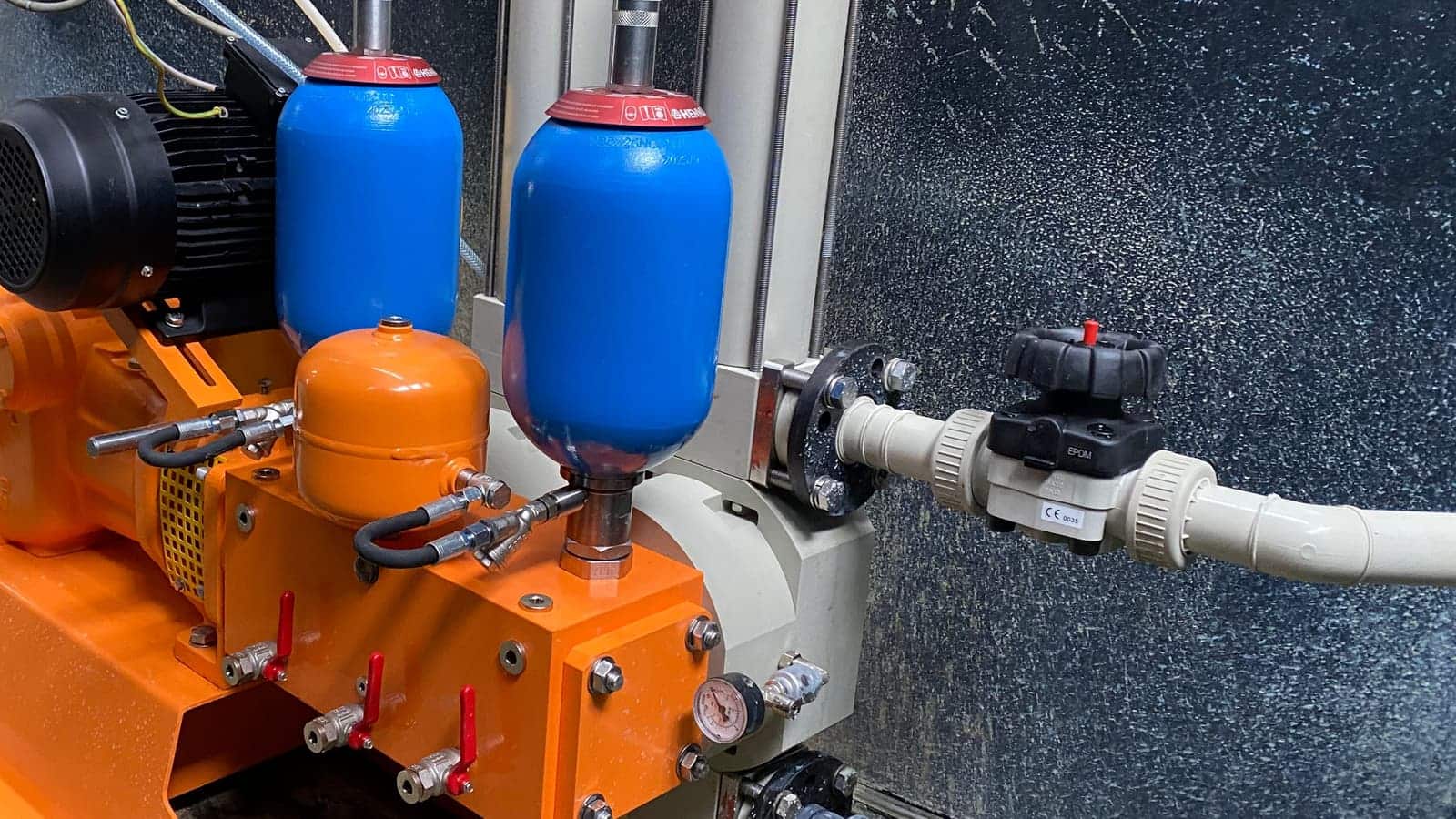
The reason lies in the material concept of the plant. Pipework, vessels and the filter press itself are made of plastic — only the pump was cast iron. In such an environment, a metallic component remains the weakest link in the chain.
The medium is electroplating sludge, acidic to neutral in normal operation. What matters, though, is what occasionally comes on top: hydrochloric acid is used to remove deposits. A metallic pump is not designed for such episodes, however unremarkable the pH value looks on a data sheet.
There was a commercial point as well. Under the previous arrangement the supplier came on a fixed schedule and replaced components as a precaution — regardless of whether they were worn.
Solution
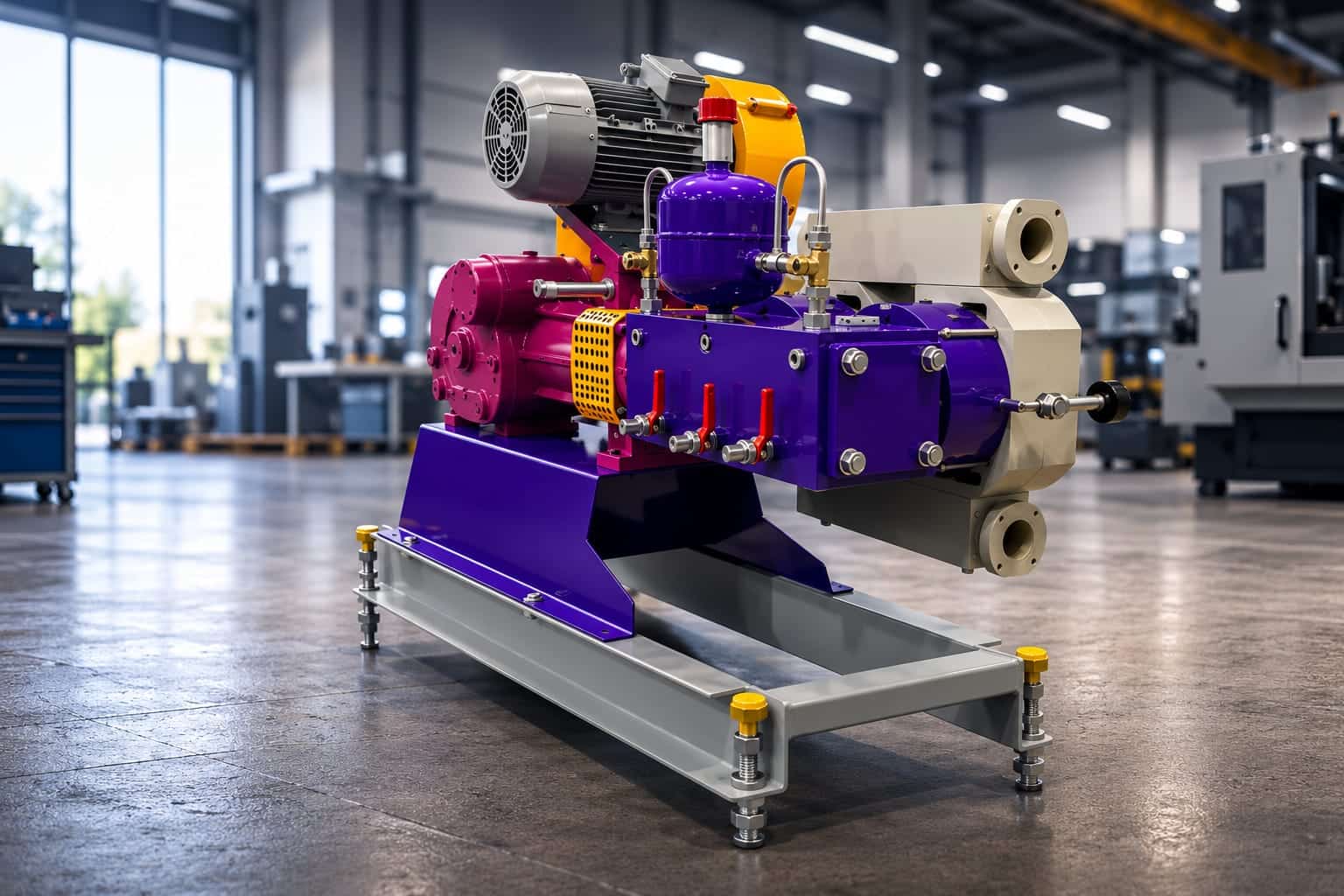
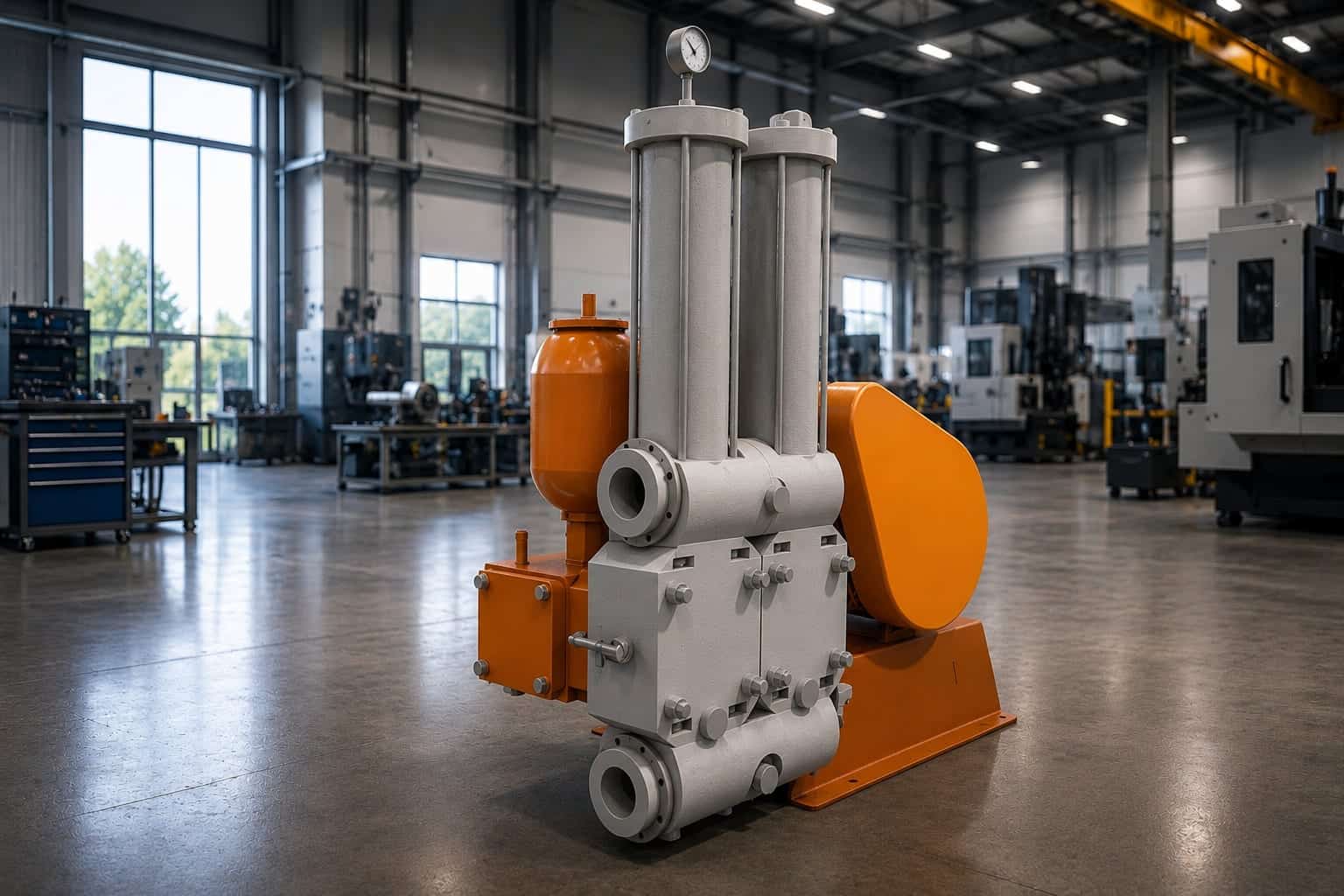
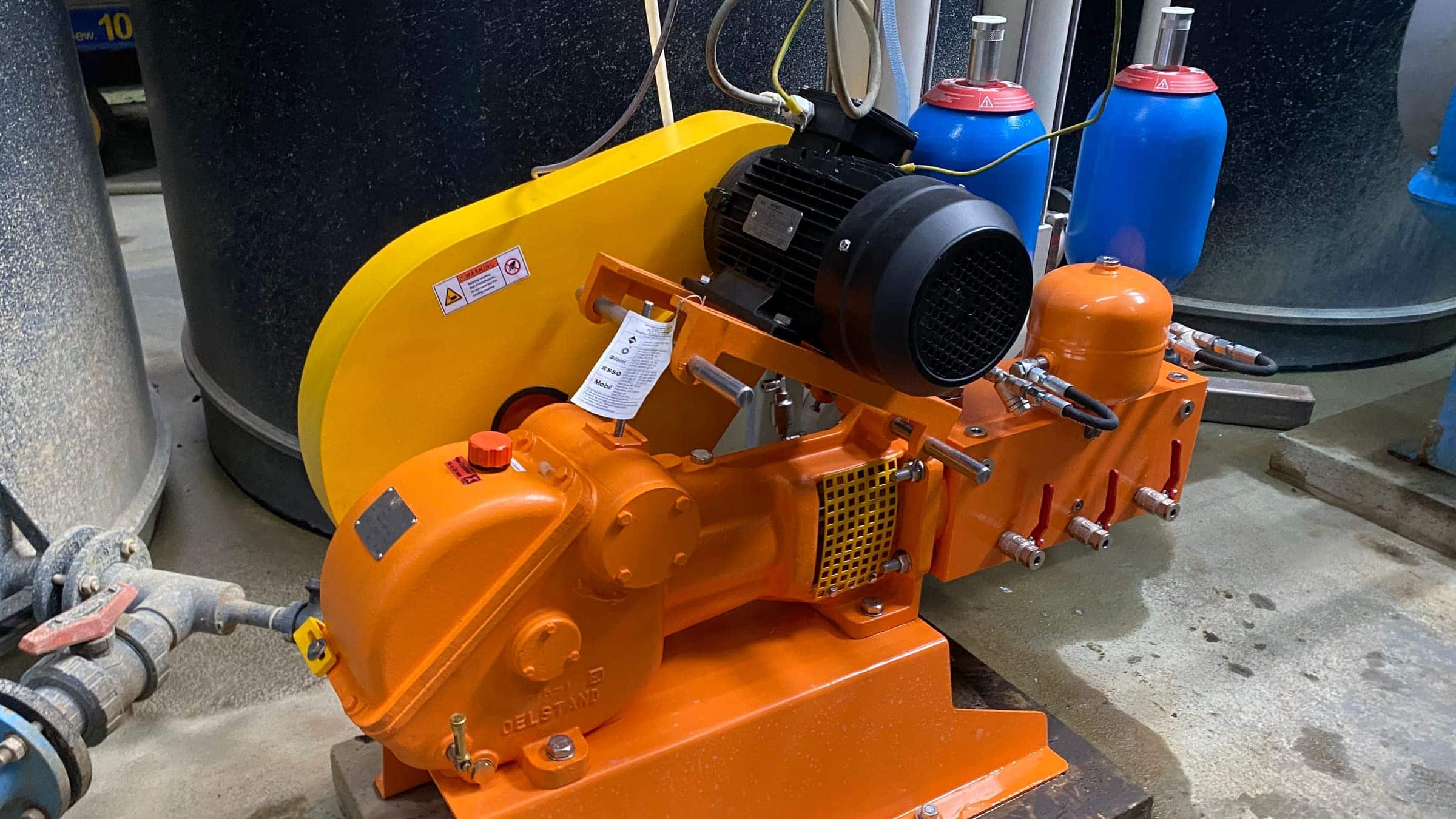
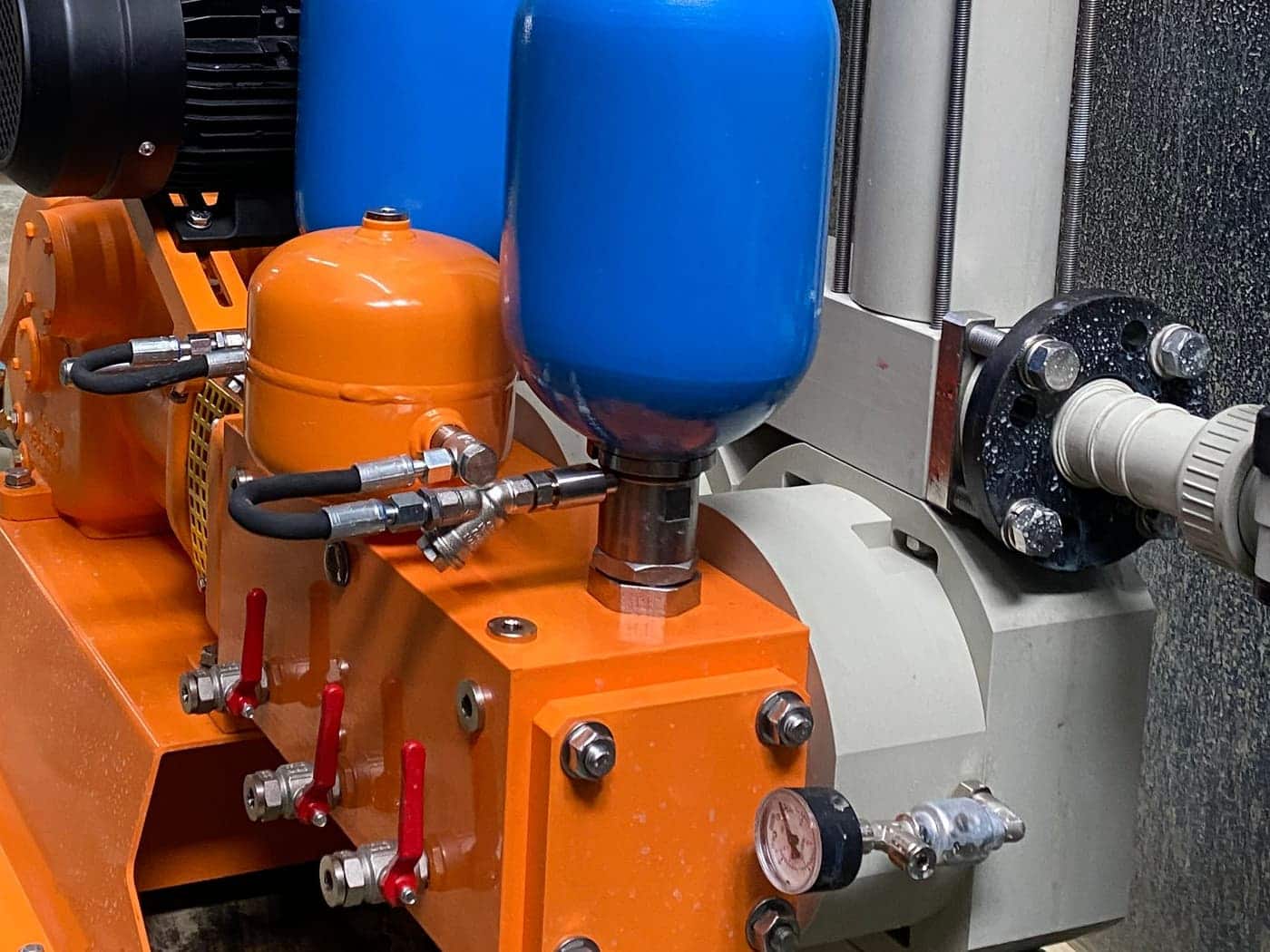
A Model FP with a polypropylene housing and polyethylene diaphragms is now in place. The pump fits into the plant's material concept rather than breaking it.
Depending on the medium, the wetted parts can also be supplied in PE or PVDF, and the diaphragm material can be matched to the fluid pumped. The pump is therefore not only sized for today's process but has headroom for changing media or later process modifications.
Integration brought a practical side effect: at the same output the pump is more compact than its predecessor and offers additional headroom for a higher flow rate. The installed drive rating dropped from 5.5 kW to 3 kW.
Maintenance follows a clear agreement: components are replaced when they are worn — not preventively by calendar. The operator can carry out the work themselves. HODD supported commissioning.
Result
Cycle time and residual moisture are unchanged. That was not the objective either — the existing process worked.
The operator gained elsewhere: a consistent material concept with no metallic component in the fluid path, a lower installed drive rating, spare space and spare capacity, and a maintenance model without precautionary replacements. No wear part has needed changing so far.
For context: energy consumption was not measured. The smaller installed drive rating is an indication, not a measured value — what the pump actually draws depends on the duty point. The changeover took place in 2026; statements on service life refer to the period since commissioning.
From the project
From the field
Success Stories
Contact
We are happy to advise you personally — simply send us your enquiry via the form. For reliable sizing it helps us to have details on the medium, solids content, flow rate and pressure requirement.